
 Lucian Panait, MD, MBA, FACS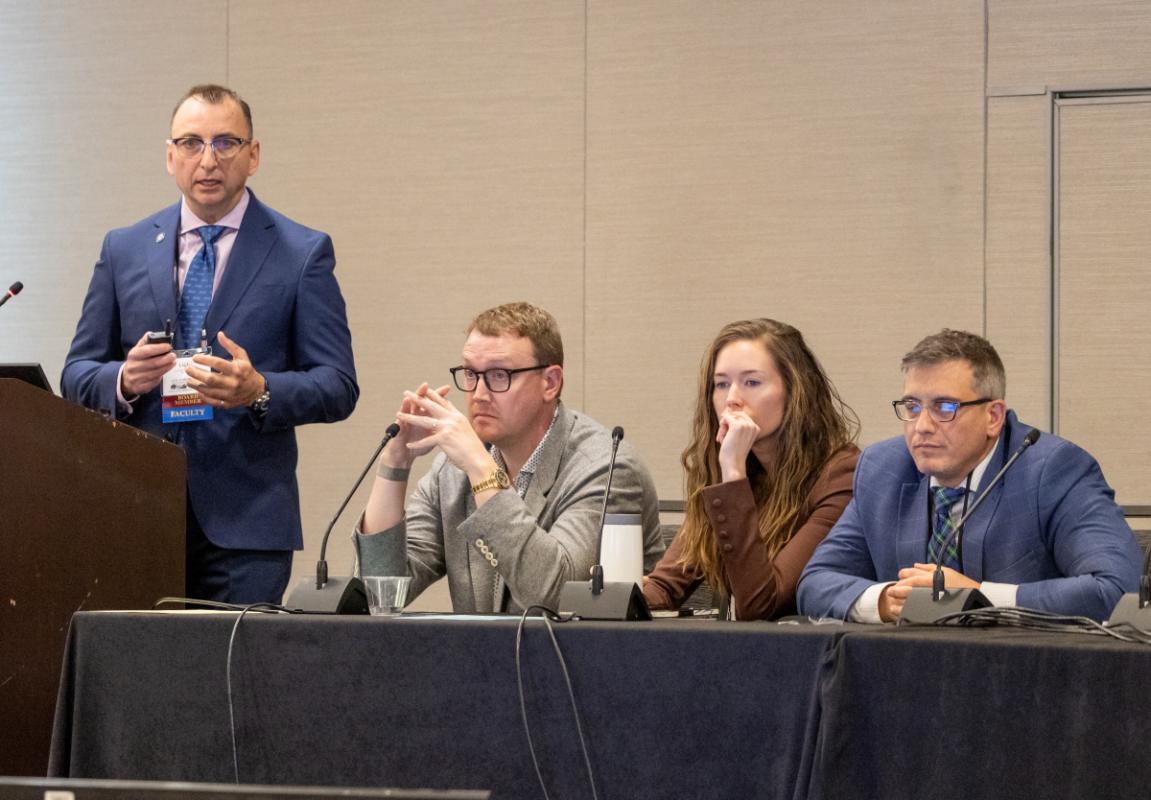
Key Takeaways
- Event & Location: The 2026 American Hernia Society Annual Meeting took place August 27–29 at the Hyatt Regency in Denver.
- Surgical Robotics: Four leading robotics platforms—Intuitive, CMR Surgical, Distalmotion, and Medtronic—were demonstrated side-by-side.
- Advanced Mesh Technology: Exhibits featured self-gripping textiles, absorbable polymers, and synthetic scaffolds designed to lower post-operative discomfort.
- Patient-Centered Care: AHS Board of Governors Director Dr. Lucian Panait presented on using Patient-Reported Outcomes (PROs) to guide post-operative recovery.
Innovations in Mesh Materials and Surgical Robotics
Surgeons from around the world gathered at the Hyatt Regency in Denver from August 27 to August 29 for the 2026 American Hernia Society (AHS) Annual Meeting. The three-day event focused on practical advances in surgical technology, operative technique, and patient recovery protocols.
Exhibitors highlighted recent developments in hardware and materials engineered to improve tissue repair and reduce recovery pain. Updated mesh designs on display included:
- Self-gripping textiles engineered for secure placement
- Absorbable polymers designed for temporary structural support
- Synthetic scaffolds built to support tissue repair while lowering post-operative discomfort
In addition to material updates, Intuitive, CMR Surgical, Distalmotion, and Medtronic showcased their surgical robotics platforms side-by-side. The presence of these competing systems reflects how quickly robotic tools are being integrated into hernia procedures to improve visualization and tissue-dissection precision.
Patient-Reported Outcomes in Surgical Recovery
Dr. Lucian Panait contributed to the conference program in his role as Director of the AHS Board of Governors. During a Friday afternoon session on quality of life and patient-reported outcomes, he delivered a presentation titled Patient-Reported Outcomes (PROs) Explained: What to Use and Why.
“Clinical teams need direct feedback from patients rather than relying solely on traditional physical exams,” noted Dr. Panait. “Tracking post-operative pain, physical function, and daily comfort with standardized tools allows surgical teams to fine-tune care plans based on what patients actually experience at home.”
Evidence-Based Hernia Care at Minnesota Hernia Center
Applying these conference insights at Minnesota Hernia Center helps ensure patient care remains aligned with current clinical evidence. From selecting tailored mesh materials and applying refined robotic techniques to tracking recovery through structured patient feedback, the priority remains helping patients return safely to daily life.
Frequently Asked Questions
Which robotic systems were featured at the 2026 AHS Annual Meeting?
The conference highlighted platforms from Intuitive, CMR Surgical, Distalmotion, and Medtronic, demonstrating advances in visualization and tissue dissection.
What are Patient-Reported Outcomes in hernia surgery?
PROs are standardized measures used to track post-operative pain, daily comfort, and physical function directly from the patient. They give clinical teams a clearer picture of recovery than physical exams alone.
What new mesh options are available for hernia repair?
Modern mesh developments include self-gripping textiles, absorbable polymers, and synthetic scaffolds designed to support tissue repair while minimizing post-operative discomfort.